Five DTC Brands, Five Expensive Lessons: What US Founders Learned Breaking Into the Gulf
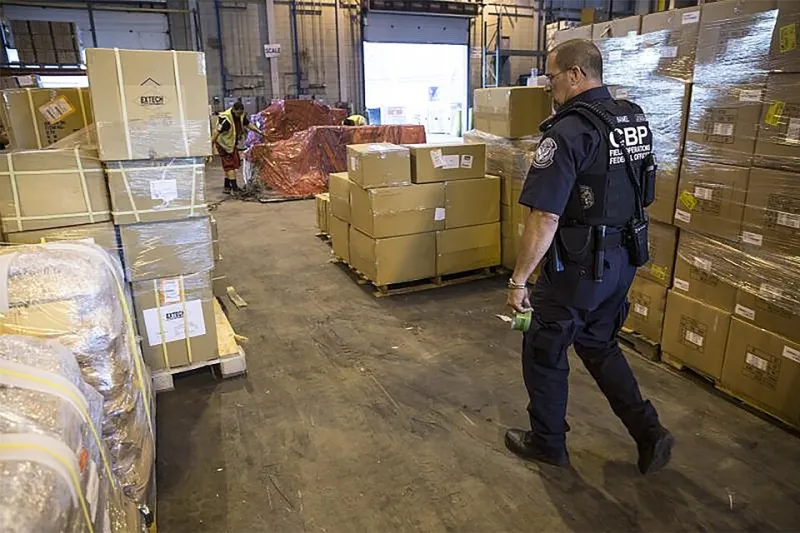
Photo: CBP Photography, Public domain, via Wikimedia Commons
The Gulf has become a proving ground for American direct-to-consumer brands. Saudi consumer spending is expanding under Vision 2030, UAE logistics infrastructure is world-class, and a young, digitally native population with high disposable income is exactly the customer profile DTC brands spend their lives chasing.
But traction in this region has a tuition cost. Here are five composite case studies — drawn from patterns visible across dozens of US brand entries — and the lessons each one paid for.
1. The Skincare Brand That Shipped From New Jersey
A fast-growing US skincare label launched into the Gulf serving the region from a single US East Coast fulfillment center. Delivery times to Riyadh stretched past two weeks. COD orders — the majority of first-time purchases — saw return rates north of 25% because packages arrived after the purchase impulse had died.
The fix: the brand moved to a 3PL in Dubai with Saudi cross-border capability, cutting delivery to under four days. Returns dropped by half within a quarter.
Lesson: in COD-heavy markets, delivery speed is not a customer-experience nicety. It is a fraud-and-returns control mechanism.
2. The Apparel Label That Ignored Sizing
A contemporary US womenswear brand translated its site into Arabic, ran polished campaigns in Dubai — and watched conversion stall. Regional fit preferences, modest-wear expectations, and different body-size distributions meant the standard US size chart was actively deterring purchases.
The fix: the brand introduced region-informed size guides, added extended modest lines, and published local measurements. Conversion on apparel listings rose materially within two seasons.
Lesson: localization is product, not just copy. Sizing, fabric weight for Gulf climates, and coverage preferences are merchandising decisions.
3. The Supplement Company That Tripped on Labeling
A US wellness brand assumed its FDA-compliant labels would clear Gulf customs. They did not. Saudi and UAE authorities require local registration, Arabic labeling, and — for supplements — approvals that can take months.
The fix: the brand engaged a local regulatory consultant, reformulated its packaging pipeline, and sequenced its product launches around approval timelines rather than US marketing calendars.
Lesson: product-market fit means nothing if the product cannot legally clear the border. Build regulatory lead time into the launch plan.
4. The Home Goods Brand That Priced in Dollars
A US home décor brand priced exclusively in USD. Gulf shoppers, accustomed to AED and SAR pricing, perceived the listings as expensive and foreign — and abandoned carts at checkout when currency conversion introduced uncertainty.
The fix: dual-currency pricing, local payment methods including COD and regional cards like Mada in Saudi Arabia, and duty-inclusive pricing displayed upfront.
Lesson: price transparency in local currency is a conversion lever, not an accounting preference.
5. The Pet Brand That Misread the Marketing Calendar
A US pet products company launched its biggest Gulf campaign in November — aligned with its US holiday push. It missed Ramadan entirely, the region's true consumption peak for gifting and household spending, and burned its budget in a period of comparatively soft demand.
The fix: the brand rebuilt its annual calendar around Gulf retail moments — Ramadan, Eid, Saudi Founding Day, UAE National Day — and treated the American holiday season as secondary.
Lesson: your marketing calendar is a cultural document. In the Gulf, it needs to be rewritten, not translated.
The Pattern
Across all five cases, the failure was never the product. It was the assumption that Gulf commerce is American commerce with a different timezone. The brands that succeed treat the region as a distinct operating environment — with its own logistics economics, regulatory gates, payment culture, and calendar — and build for it from the first shipment onward.