When 'American-Made' Becomes a Liability: How US Brands Are Rethinking Their Identity in Gulf Markets
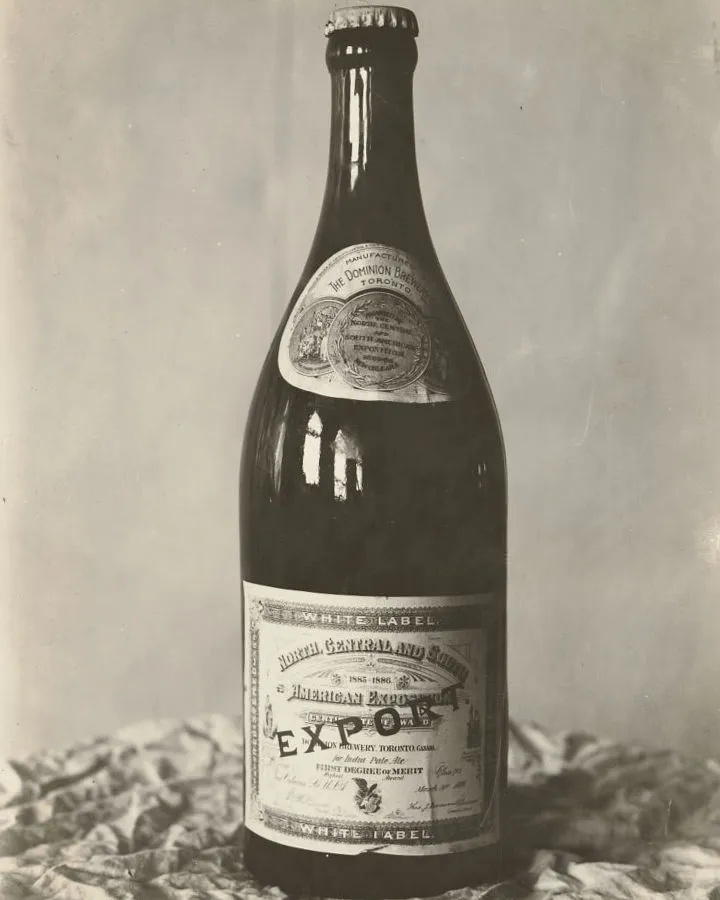
Photo: E. L.Ruddy, Public domain, via Wikimedia Commons
For generations of American exporters, the 'Made in USA' label has functioned as a kind of commercial passport — a signal of quality, reliability, and prestige that supposedly travels well across borders. In many parts of the world, that reputation holds. In the Gulf Cooperation Council (GCC) markets, however, the calculus is far more complicated, and a growing number of US businesses are discovering that their origin story is not the asset they believed it to be.
This is not simply a matter of anti-American sentiment, which remains relatively low across most GCC consumer segments. Rather, it reflects a sophisticated and rapidly maturing set of market dynamics that American brands have been slow to appreciate.
The Premium Pricing Myth
The foundational assumption many US manufacturers bring to Gulf markets is that American origin commands a price premium. In certain categories — premium bourbon, high-end medical devices, specialized agricultural equipment — this holds reasonably true. But across a much wider range of consumer goods, from personal care products to packaged foods to household appliances, the premium pricing assumption falls apart on contact with Gulf retail realities.
Gulf consumers, particularly in the UAE and Saudi Arabia, are among the most globally traveled and brand-literate shoppers anywhere in the world. They have direct experience with European luxury goods, Japanese electronics, and Korean beauty products. When an American brand enters the market at a price point justified primarily by its country of origin, Gulf consumers — and the retail buyers who stock shelves — are often unimpressed.
In the food and beverage sector, for instance, European and Australian origin marks frequently outperform American equivalents in premium positioning. A UAE-based category manager at a major regional retailer noted privately that American food brands often arrive with pricing strategies built for a consumer who does not quite exist in this market.
Regulatory Friction Adds to the Cost
Beyond consumer perception, the regulatory environment in GCC countries introduces additional complexity for US origin labeling. Gulf countries apply rules of origin requirements that are not always straightforward for American manufacturers whose supply chains cross multiple countries. A product assembled in the United States from components manufactured in Southeast Asia may carry a 'Made in USA' label domestically but face scrutiny under Gulf customs standards.
The UAE's customs authority, in particular, applies specific criteria to origin declarations, and importers have faced delays and additional documentation requirements when origin claims are disputed or require substantiation. For US exporters operating on thin margins, these friction points translate directly into cost — and can erode whatever price premium the American label was supposed to generate.
Compliance teams at US companies entering Gulf markets are increasingly advised to conduct a thorough audit of their supply chains before making origin-based marketing claims, not only to satisfy regulatory requirements but to avoid the reputational damage that comes from a publicly challenged label.
The Surprising Categories Where 'American' Hurts
Perhaps the most counterintuitive finding for US brands exploring Gulf expansion is that American origin can actively damage sales in specific product categories. Personal care and cosmetics offer a clear example. Gulf consumers in this space have developed strong preferences for French, Korean, and increasingly home-grown regional brands. American cosmetics brands — even well-recognized ones — often struggle to displace these preferences, and emphasizing American origin in marketing materials can reinforce a perception that the product is not formulated for the regional climate, skin tones, or cultural preferences of Gulf consumers.
Similarly, in the modest fashion and modest activewear segments — growing categories across the GCC — an American brand identity can carry an implicit cultural misalignment that regional competitors exploit. Brands that have pivoted away from leading with their American identity and instead emphasized product attributes, regional partnerships, or locally resonant design elements have reported meaningfully better market performance.
The Partnership Pivot
In response to these dynamics, a notable subset of US manufacturers is pursuing a deliberate strategy of de-emphasizing or contextualizing their American origin in Gulf markets. This does not mean misrepresenting the product's provenance — regulatory and reputational risks make that untenable — but it does mean restructuring the marketing narrative.
Some American brands are entering joint manufacturing or co-branding arrangements with GCC-based producers. Under these structures, the American company contributes formulations, technology, or brand architecture while the regional partner handles production, distribution, and consumer-facing identity. The result is a product that carries Gulf market credibility without abandoning the quality standards the American parent company maintains.
Others are investing in what might be called 'origin agnostic' branding — building product identities around attributes, lifestyle associations, or functional benefits that resonate with Gulf consumers regardless of where the product was made. This approach requires a more substantial marketing investment but can produce significantly better long-term positioning.
What This Means for US Exporters
The lesson is not that American brands should abandon or hide their identity in Gulf markets. Rather, it is that origin labeling should be treated as a strategic variable, not a default advantage. Before entering any GCC market, US companies should invest in genuine consumer research specific to their product category, consult with regional retail and distribution partners about how origin is perceived by end buyers, and stress-test their pricing strategy against the actual competitive set — not the set they face at home.
For US brands willing to do that work, Gulf markets remain among the most commercially attractive destinations in the world. For those who arrive assuming the flag will do the selling, the experience can be an expensive correction.